

|
|
|
|
|
|
|
|
|
|||||
|
|
|||||
|
||||||
|
||||||
|
||||||
|
||||||
|
|
|
||||||||||||
|
Case Study: Hanscom Air Force Base
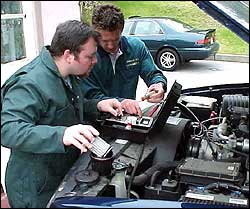
Waste prevention also refers to reducing the amount of toxic or hazardous ingredients in products, or replacing products with non-toxic alternatives. A good example of this is being carried out at the Hanscom Air Force Base in Massachusetts. The Hanscom Base has made tremendous improvements in the areas of waste disposal, oil usage, commuting and recycling, in efforts to reduce the amount of hazardous waste they produce. The Environmental Flight Office at the base has begun its own toner cartridge recycling program. So far, the program has allowed more than 1700 toner cartridges to be reused - saving $6900 and more than 3400 lbs of plastic. The Environmental Flight Office has also reduced the amount of oil and oil filters they use by purchasing oil analysis kits. Using these kits means that vehicles only have their oil changed when truly needed, reducing the amount of oil used by 40%. To reduce the amount of vehicles traveling to and from the base, the Commuter Management Office promoted a Ride Share program, as well as a program to reimburse employees for the costs of taking public transport. The Hanscom Base has also recently begun an initiative to replace utility poles with underground lines. The old wooden utility poles have all been reused as trail borders, recycled into mulch, or used to produce energy.  
|
|
 |
 |
 |
 |
 |
 |
 |
 |
|
|
 |
Disclaimer | Privacy Policy | Terms of Use | Sustain Ability © All copyright including intellectual property remains
the property of |
|