|

 Glass was discovered more than 5,000 years ago, and
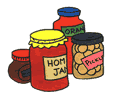
has been used ever since – for windows, mirrors, jewellery, and containers of all shapes and sizes. Today, glass bottles and jars are used to package a huge variety of foods and drinks. Glass was discovered more than 5,000 years ago, and
has been used ever since – for windows, mirrors, jewellery, and containers of all shapes and sizes. Today, glass bottles and jars are used to package a huge variety of foods and drinks.

New glass is made from melted sand, along with other raw materials
called soda ash and limestone. These are dug out of the ground, or quarried.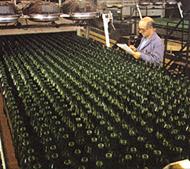
Glass is 100% recyclable. Recycling glass reduces quarrying for new sand supplies. This preserves natural resources and the
environment. It also takes less energy to melt recycled glass than to melt new raw materials. So recycling glass also saves energy.
Glass manufacturers also save energy and raw materials by making bottles and jars lighter. With today's technology, thinner
bottles can be made that are just as strong. These use less glass material than was needed in the past.

Recyclable glass bottles and jars come in three main colours: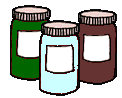
- Clear
- Green – blue glass is also included in this category
- Brown – sometimes called 'amber'.
Two things decide the colour of the glass:
- The amount of iron in the sand used to make the glass.
- Different amounts of the other ingredients, soda ash and limestone.
During recycling, different glass furnaces are used for each colour. So, it is very important to separate the colours. If the colours are mixed, the
recycled glass will be discoloured, and unusable.
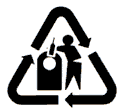
Look for this glass recycling symbol on bottles and jars:
|